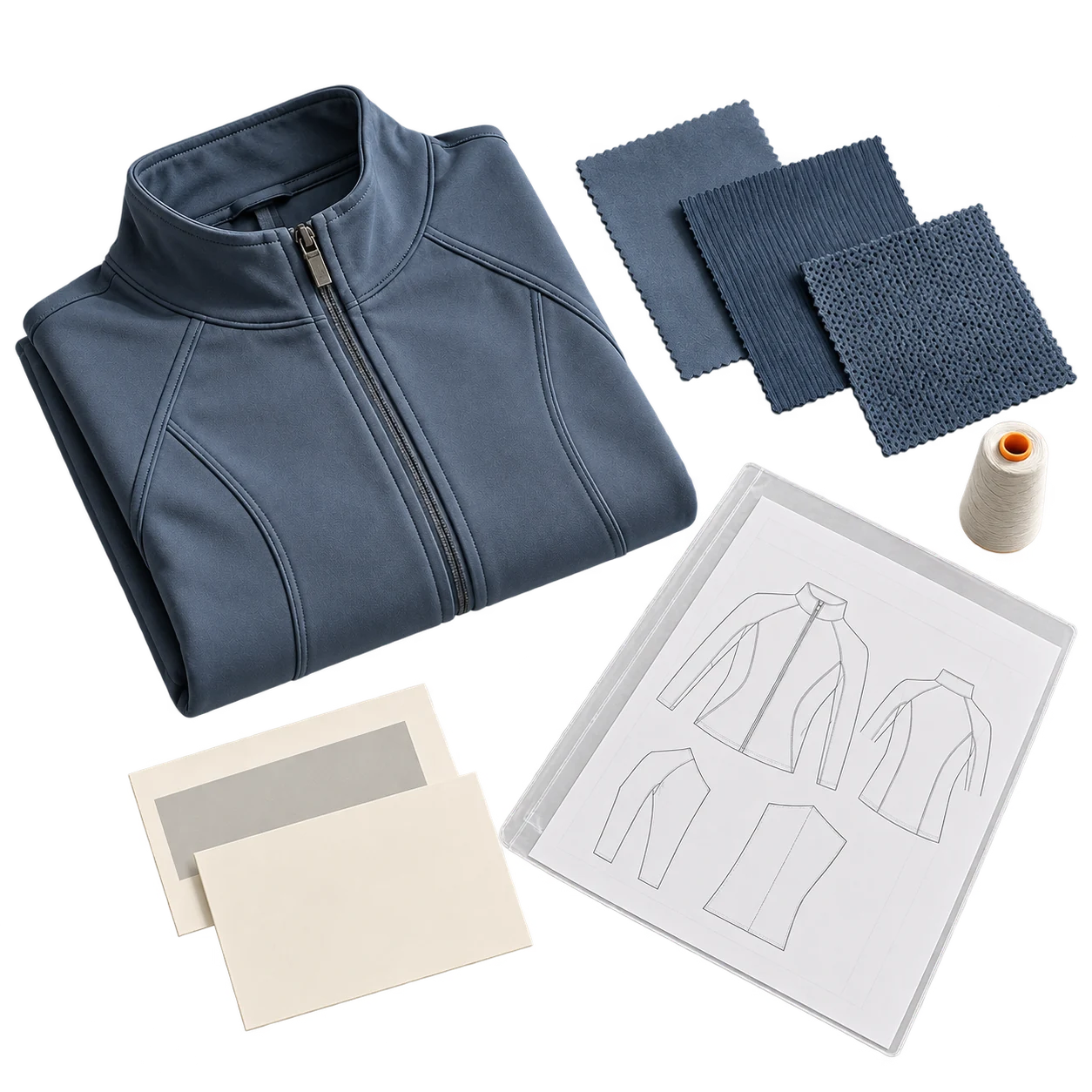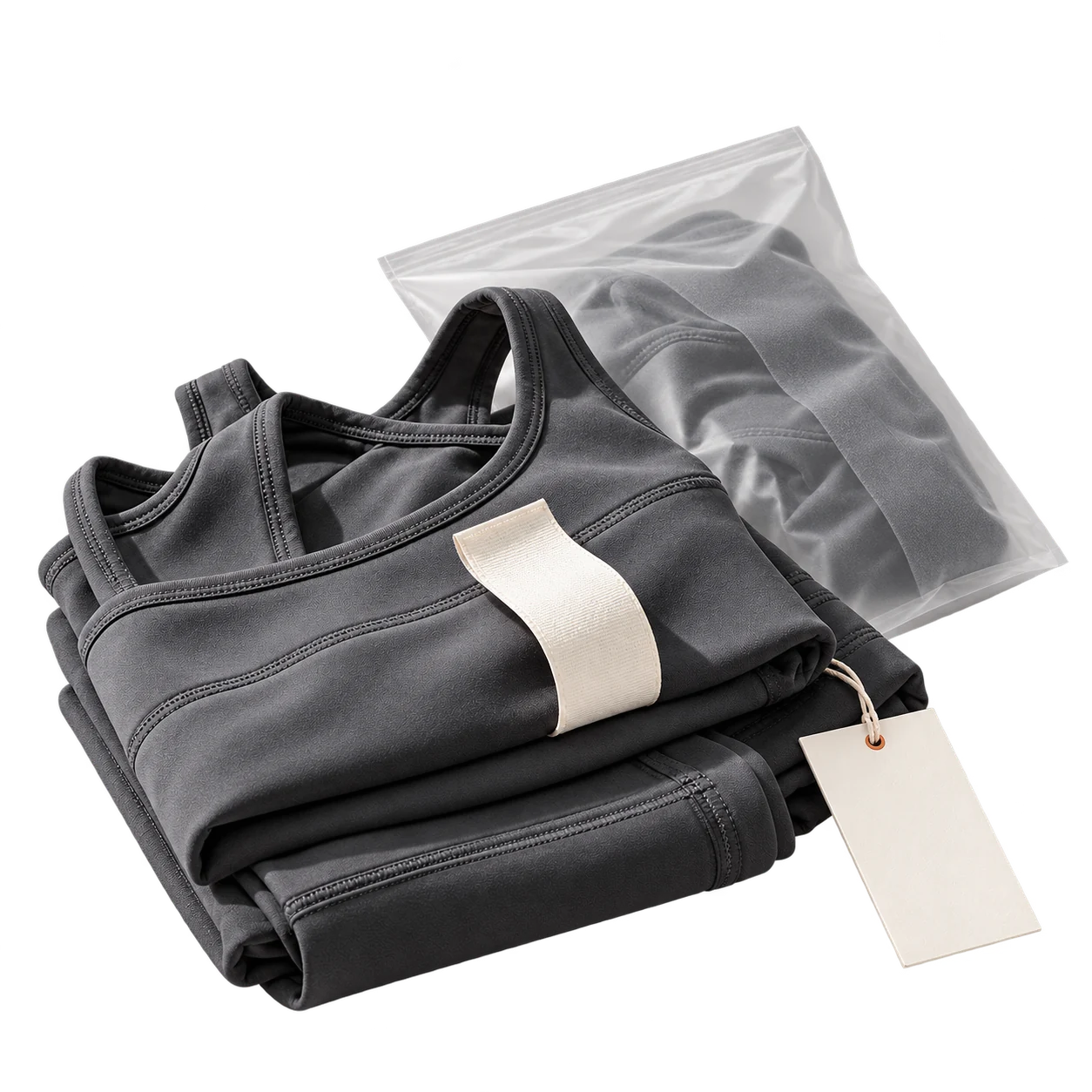
Start with the product requirement
Start with the intended selling channel and product position. Identify the costs your business must cover between production and the customer. Keep taxes, transport and destination-specific charges subject to appropriate professional confirmation.
Compare the relevant alternatives
Separate the desired product specification from optional upgrades. Explain which features create the main customer benefit. This makes supplier suggestions more useful than a general request to reduce quality or price.
Write a clear specification
Share an appropriate target range and quantity scenario with the supplier. Ask what assumptions would support it. Keep the unit basis, currency and delivery terms consistent across quotations.
Review the physical result
Compare alternatives through the full product scope. A cheaper material may change fit, care or brand perception, while simplified packaging may have fewer product implications. Review the actual tradeoffs before accepting a lower figure.
Record the decision
Update the target using confirmed quotations and operating assumptions. Treat early numbers as planning estimates, and avoid committing to retail promises before the total commercial picture is understood.
Turn the decision into a shared brief
Record the selected direction, assumptions and open questions in a document the whole team can use. Connect creative decisions with materials, fit work, quantities and timing. Keep future ideas separate from the range being approved so they do not create unplanned development or inventory commitments. Supplier feedback can improve the plan, but it should be assessed against the intended customer and commercial goals. Review the document whenever an important assumption changes, and confirm the current scope before authorizing the next stage.
TAKE THIS INTO YOUR NEXT DISCUSSION
Your buyer checklist
- Build a cost target from the intended selling channel.
- Keep garment costs separate from logistics and other charges.
- Review what each proposed saving changes in the product.
Turn the decision into your brief.
Choose the pieces you are considering and record your fabric, color, size and development priorities.
Build your project brief ↗Explore the style library ↗