Start with the product requirement
Identify the problem or preference the product addresses. Explain why a customer would select it and how it connects to the brand. Avoid relying on a vague ambition to make a bestseller without a specific product proposition.
Compare the relevant alternatives
Compare candidate styles for development complexity, material needs and likely outfit connections. Consider how much fit validation each requires. A visually dramatic design may introduce more unresolved work than the launch can support.
Write a clear specification
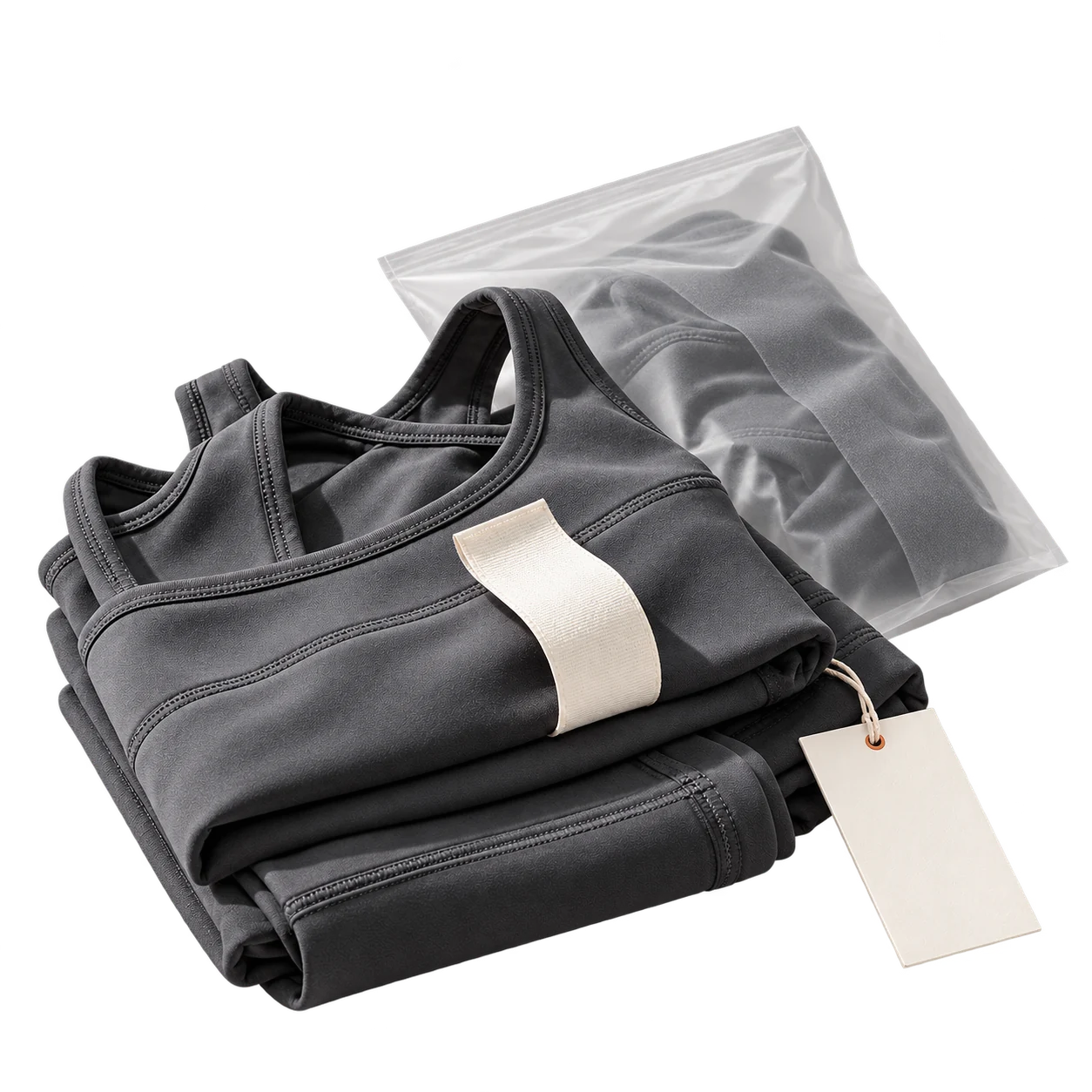
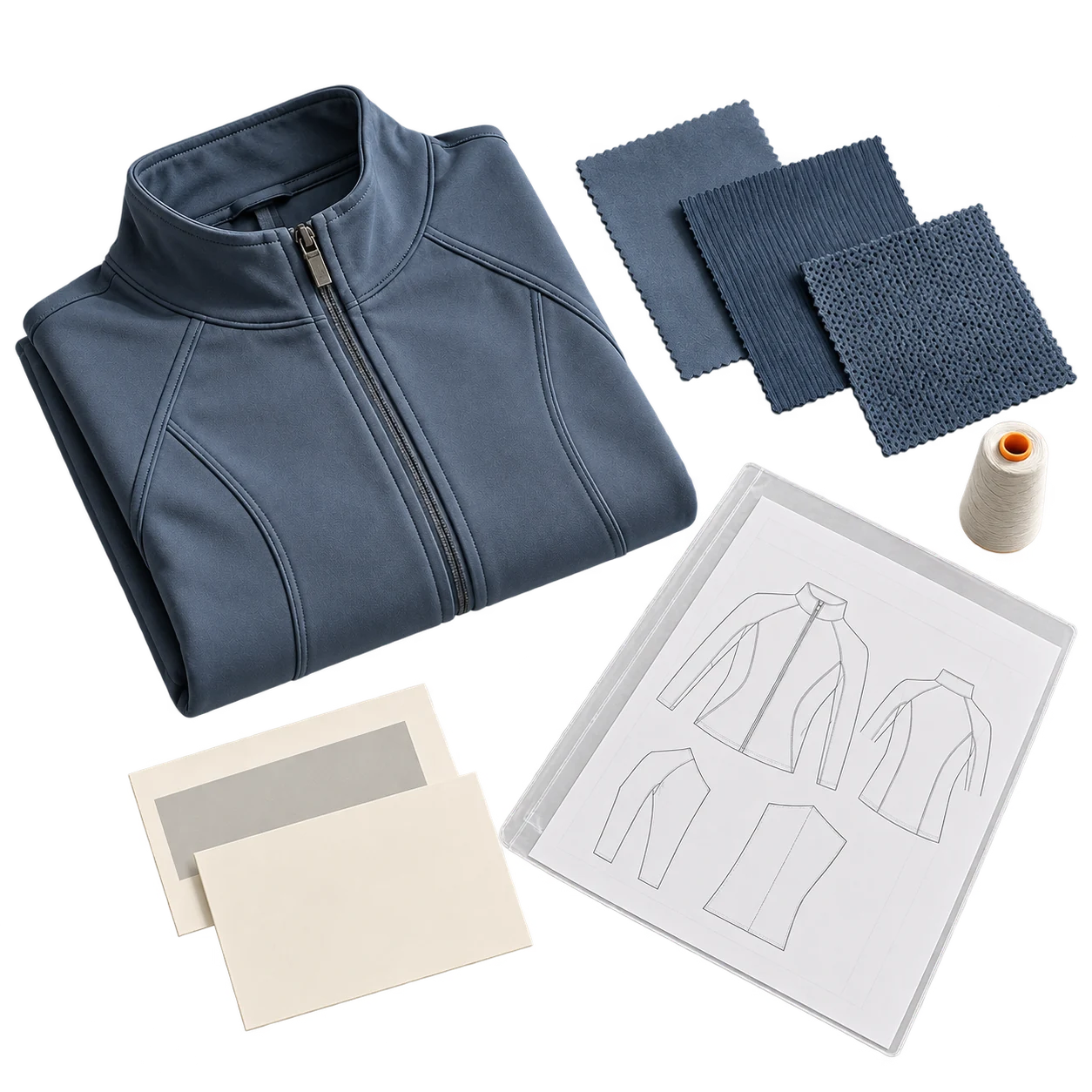
Write a focused brief for the chosen lead product, including wearer, activity, silhouette and non-negotiable details. Identify which aspects need sampling evidence before they become marketing messages.
Review the physical result
Review the first samples against the original proposition. Ask whether changes improve the customer benefit or only add decoration. Use supporting pieces to reinforce the lead product rather than compete with it unnecessarily.
Record the decision
Treat the lead product as a planning choice, not a sales guarantee. Reassess the assortment using actual feedback and reliable commercial information as it becomes available.
Turn the decision into a shared brief
Record the selected direction, assumptions and open questions in a document the whole team can use. Connect creative decisions with materials, fit work, quantities and timing. Keep future ideas separate from the range being approved so they do not create unplanned development or inventory commitments. Supplier feedback can improve the plan, but it should be assessed against the intended customer and commercial goals. Review the document whenever an important assumption changes, and confirm the current scope before authorizing the next stage.
TAKE THIS INTO YOUR NEXT DISCUSSION
Your buyer checklist
- Write the customer problem the lead product addresses.
- Compare development complexity before choosing the silhouette.
- Reassess the proposition with actual sample feedback.
Turn the decision into your brief.
Choose the pieces you are considering and record your fabric, color, size and development priorities.
Build your project brief ↗Explore the style library ↗