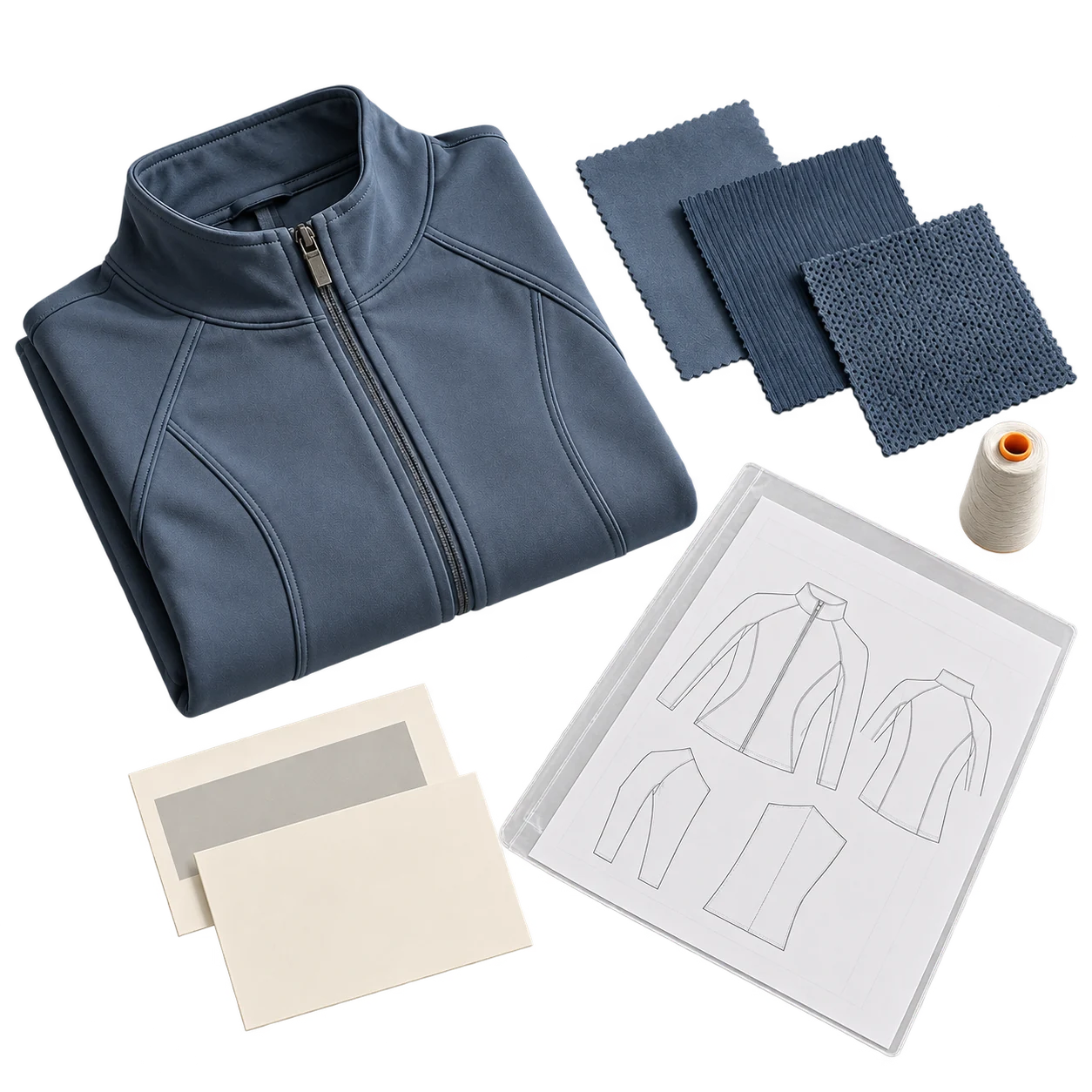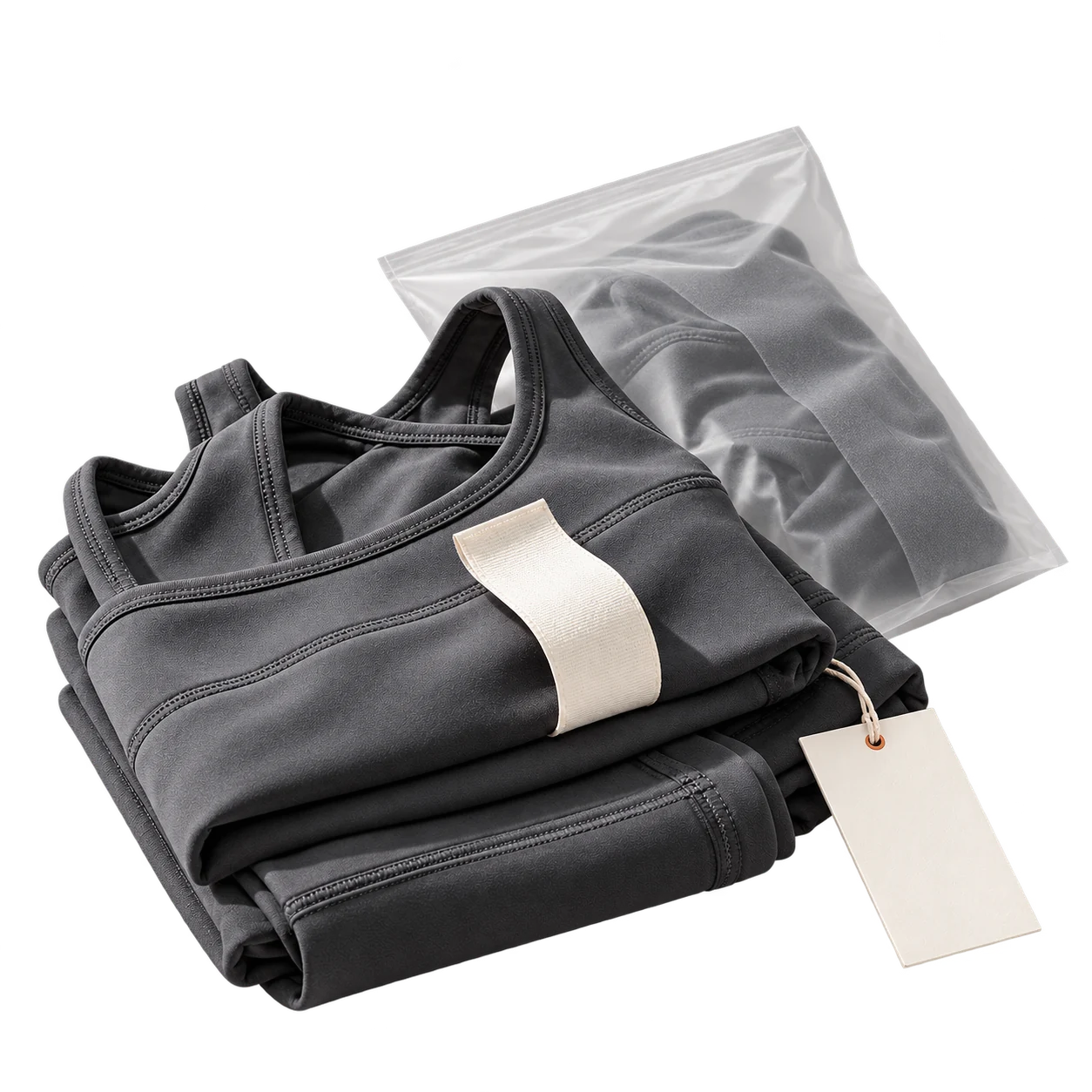
Start with the product requirement
Create one row per style and identify its role in the range. Add the product code, material direction and intended price position. Keep uncertain information marked as provisional so assumptions remain visible.
Compare the relevant alternatives
Map colors and sizes separately from style counts. A small collection can still create many sellable units once those options are multiplied. Review whether the planned assortment fits likely demand and commercial minimums.
Write a clear specification
Add development stages and decision owners. Show which products share a material or trim approval. This helps the team understand how one delayed choice might affect several garments.
Review the physical result
Use the matrix during supplier discussions to compare realistic production scenarios. Check whether proposed changes alter the overall collection balance. Avoid updating a presentation without updating the operational planning version.
Record the decision
Keep a dated current matrix with a clear revision history. Once the launch range is approved, use a controlled change process so new ideas do not quietly expand the production scope.
Turn the decision into a shared brief
Record the selected direction, assumptions and open questions in a document the whole team can use. Connect creative decisions with materials, fit work, quantities and timing. Keep future ideas separate from the range being approved so they do not create unplanned development or inventory commitments. Supplier feedback can improve the plan, but it should be assessed against the intended customer and commercial goals. Review the document whenever an important assumption changes, and confirm the current scope before authorizing the next stage.
TAKE THIS INTO YOUR NEXT DISCUSSION
Your buyer checklist
- List style, material, color and size decisions separately.
- Mark provisional information and decision owners.
- Show which styles depend on the same approval.
Turn the decision into your brief.
Choose the pieces you are considering and record your fabric, color, size and development priorities.
Build your project brief ↗Explore the style library ↗