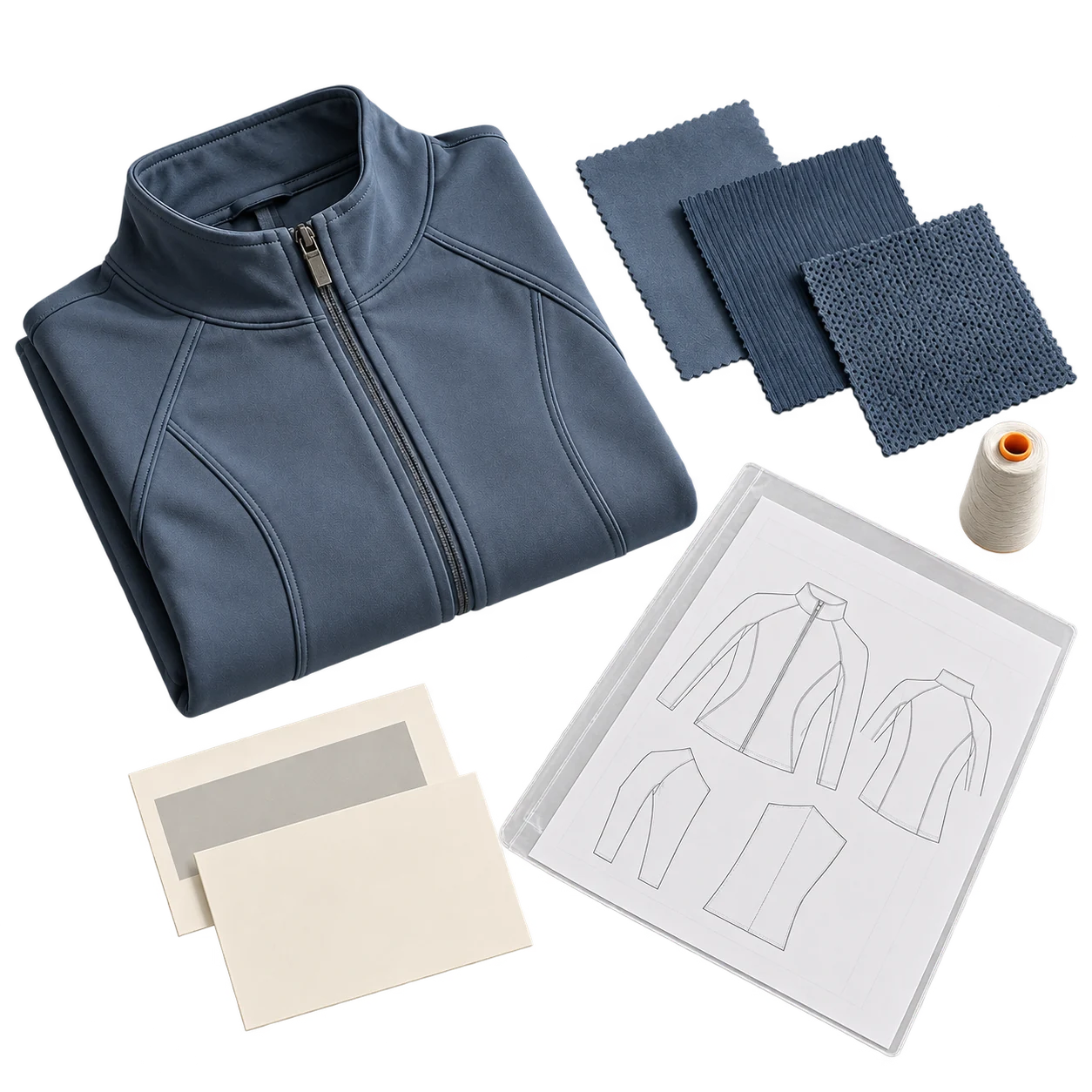
Start with the product requirement
Bring a concise overview of the collection, intended quantities and development stage. State which specifications are fixed and which need advice. Keep supplier evaluation separate from an authorization to start production.
Compare the relevant alternatives
Ask about the proposed manufacturing route, sample process and communication responsibilities. Clarify whether work is handled directly or through other parties. Request evidence relevant to the products you are considering.
Write a clear specification
Use the meeting to review physical samples, documents and technical questions. Record the references discussed rather than relying on memory. Do not treat a general certificate or report as evidence for a specific product without checking its scope.
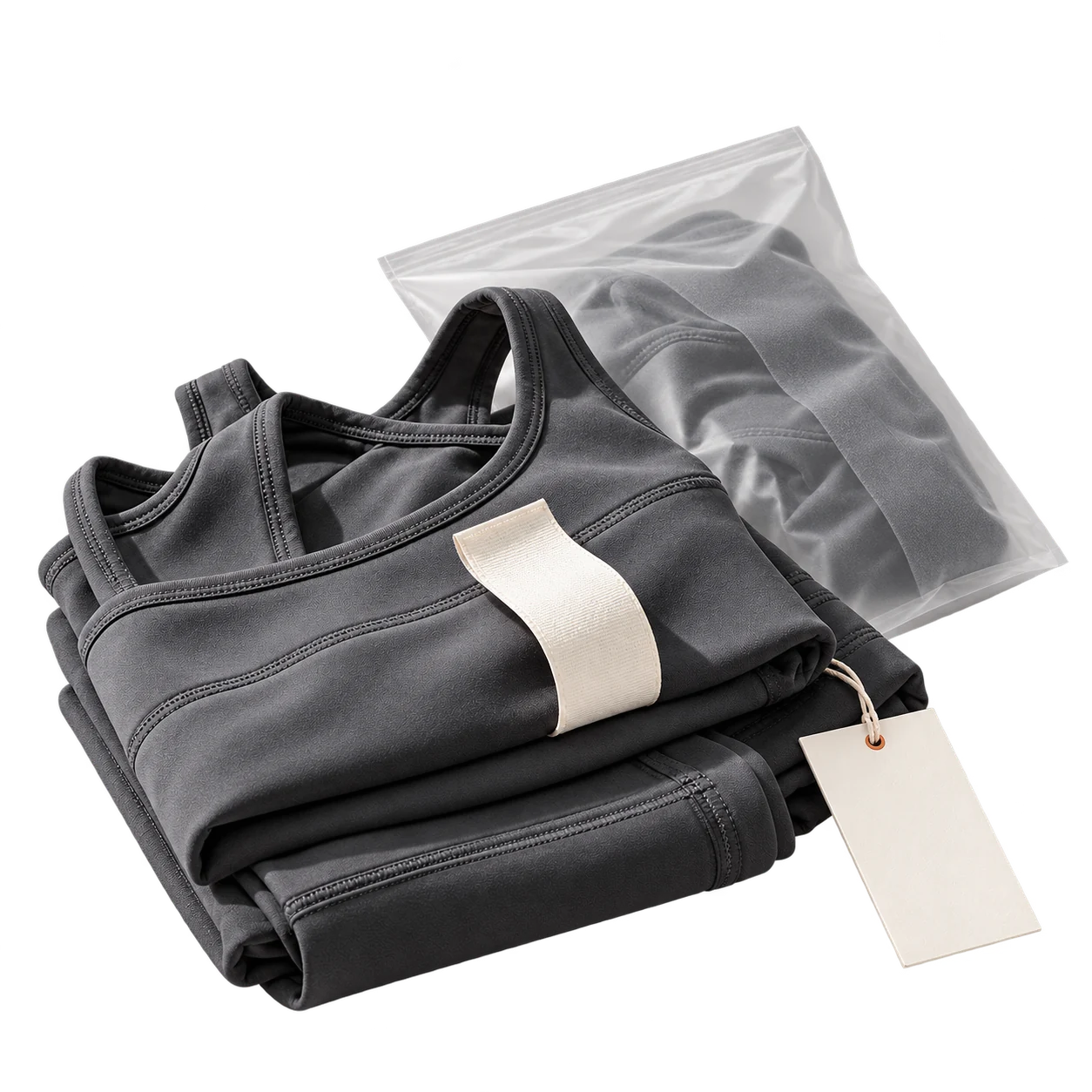
Review the physical result
Ask for written follow-up on quotations, minimums, timings and unresolved questions. Compare the response with what was discussed. A clear follow-up process can reveal how the team handles practical development work.
Record the decision
Create an evaluation record after the meeting. Identify what is confirmed, what remains unverified and what must happen before a sample request, payment or order decision can be made.
Turn the decision into a shared brief
Record the selected direction, assumptions and open questions in a document the whole team can use. Connect creative decisions with materials, fit work, quantities and timing. Keep future ideas separate from the range being approved so they do not create unplanned development or inventory commitments. Supplier feedback can improve the plan, but it should be assessed against the intended customer and commercial goals. Review the document whenever an important assumption changes, and confirm the current scope before authorizing the next stage.
TAKE THIS INTO YOUR NEXT DISCUSSION
Your buyer checklist
- Keep evaluation separate from production authorization.
- Request evidence relevant to the proposed product.
- Record unresolved questions and written follow-up actions.
Turn the decision into your brief.
Choose the pieces you are considering and record your fabric, color, size and development priorities.
Build your project brief ↗Explore the style library ↗