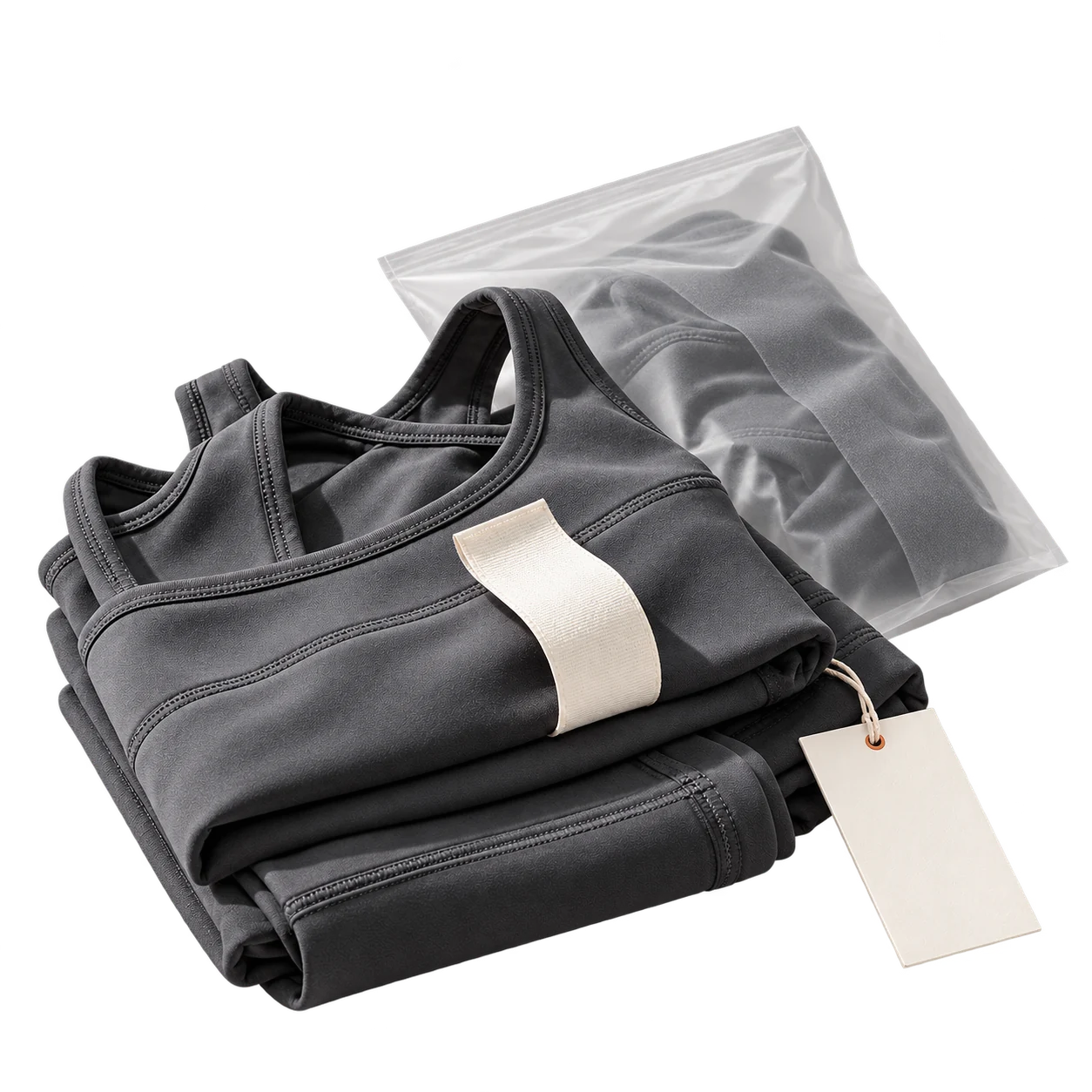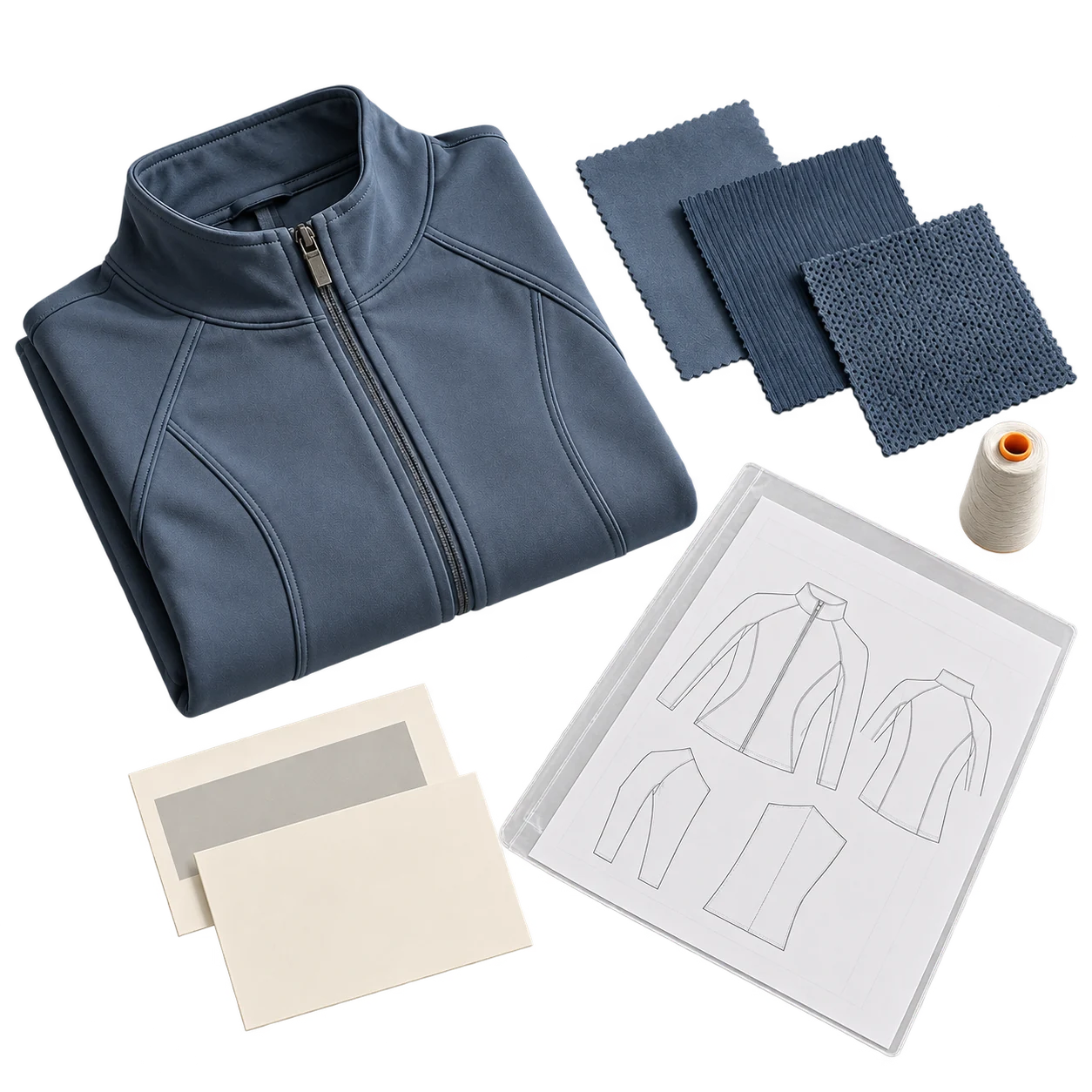
Start with the product requirement
Ask whether the catalog style is a fixed stock product, a sample reference or a base for modification. These are different offers. Identify which features, materials and measurements can be reviewed.
Compare the relevant alternatives
Compare the required development effort with your launch goals. A familiar silhouette may still need color, labeling and fit approval. A custom silhouette may require additional pattern and sampling rounds.
Write a clear specification
Request quotations that separate the product, development, decoration and packing scope. Ask about minimums and timing for the exact changes proposed. Avoid assuming a catalog image proves immediate stock availability.
Review the physical result
Evaluate physical samples against the intended customer and quality criteria. Record the differences between the reference and the proposed order. Keep product imagery and sales copy aligned with what has actually been approved.
Record the decision
Choose the route that fits the brief, evidence and commercial plan. Document the agreed customization limits so later requests do not quietly change the project into a different development program.
Turn the decision into a shared brief
Record the selected direction, assumptions and open questions in a document the whole team can use. Connect creative decisions with materials, fit work, quantities and timing. Keep future ideas separate from the range being approved so they do not create unplanned development or inventory commitments. Supplier feedback can improve the plan, but it should be assessed against the intended customer and commercial goals. Review the document whenever an important assumption changes, and confirm the current scope before authorizing the next stage.
TAKE THIS INTO YOUR NEXT DISCUSSION
Your buyer checklist
- Clarify whether a catalog image represents stock or a development base.
- List which features and measurements may be changed.
- Compare the scope of samples, branding and packing.
Turn the decision into your brief.
Choose the pieces you are considering and record your fabric, color, size and development priorities.
Build your project brief ↗Explore the style library ↗