Start with the product requirement
Decide what the customer needs to know at the point of purchase. Keep style identification, size and pricing functions distinct from marketing copy. Avoid adding technical or environmental claims simply because they are common in the category.
Compare the relevant alternatives
Review each proposed claim with the appropriate evidence and destination-market requirements. Be specific about the product or component being described. A material attribute should not automatically become a claim about the entire garment.
Write a clear specification
Prepare artwork with final wording, barcode requirements, dimensions and attachment method. Identify the correct style and color references. Leave space for readable information instead of compressing everything into tiny text.
Review the physical result
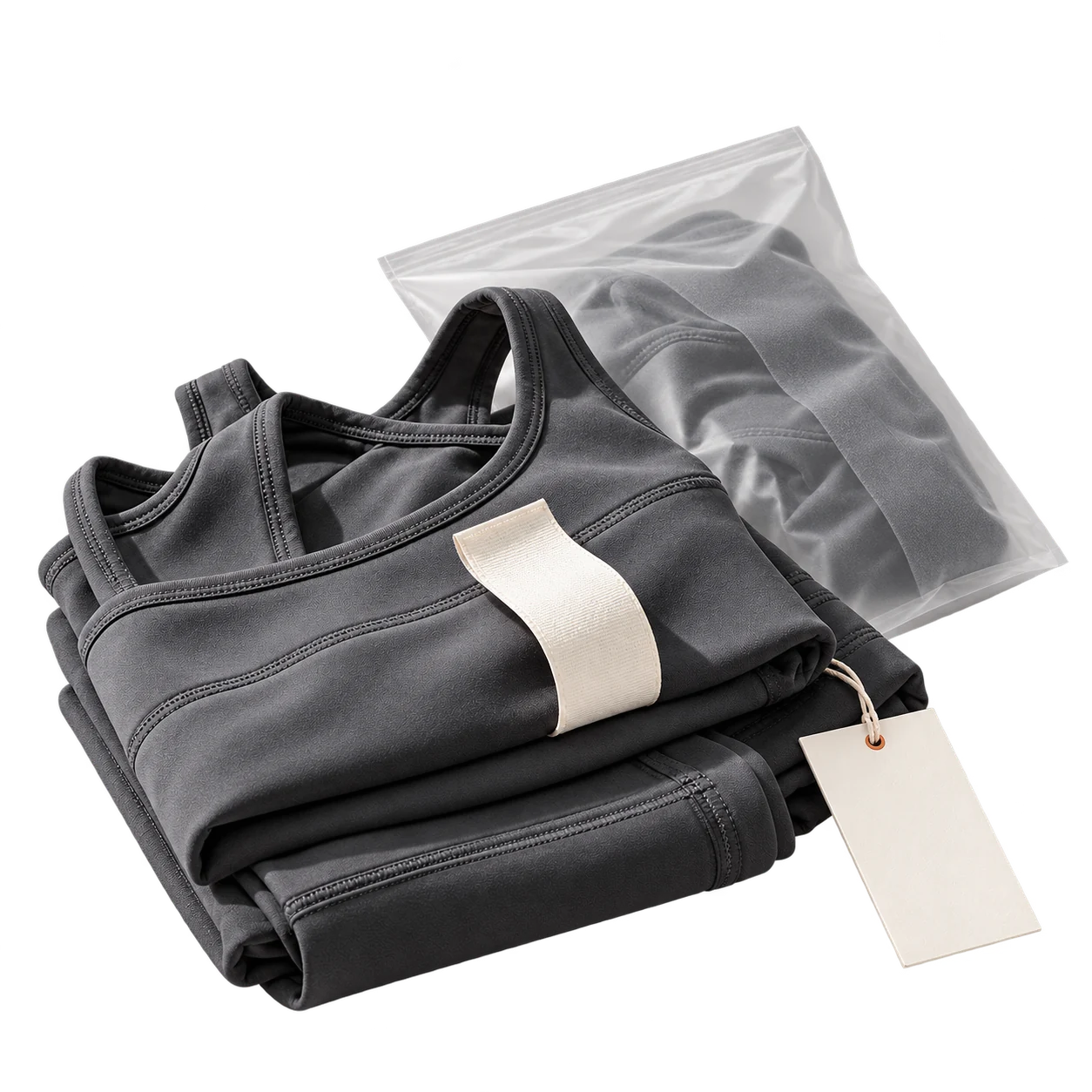
Inspect a printed tag and its attachment on the finished garment. Check readability, color, spelling and whether the attachment could damage the product. Verify that any barcode system works within your own operational setup.
Record the decision
Approve one controlled version for production. Remove obsolete files and recheck the wording when material sources, testing evidence or product details change.
Connect artwork to a physical reference
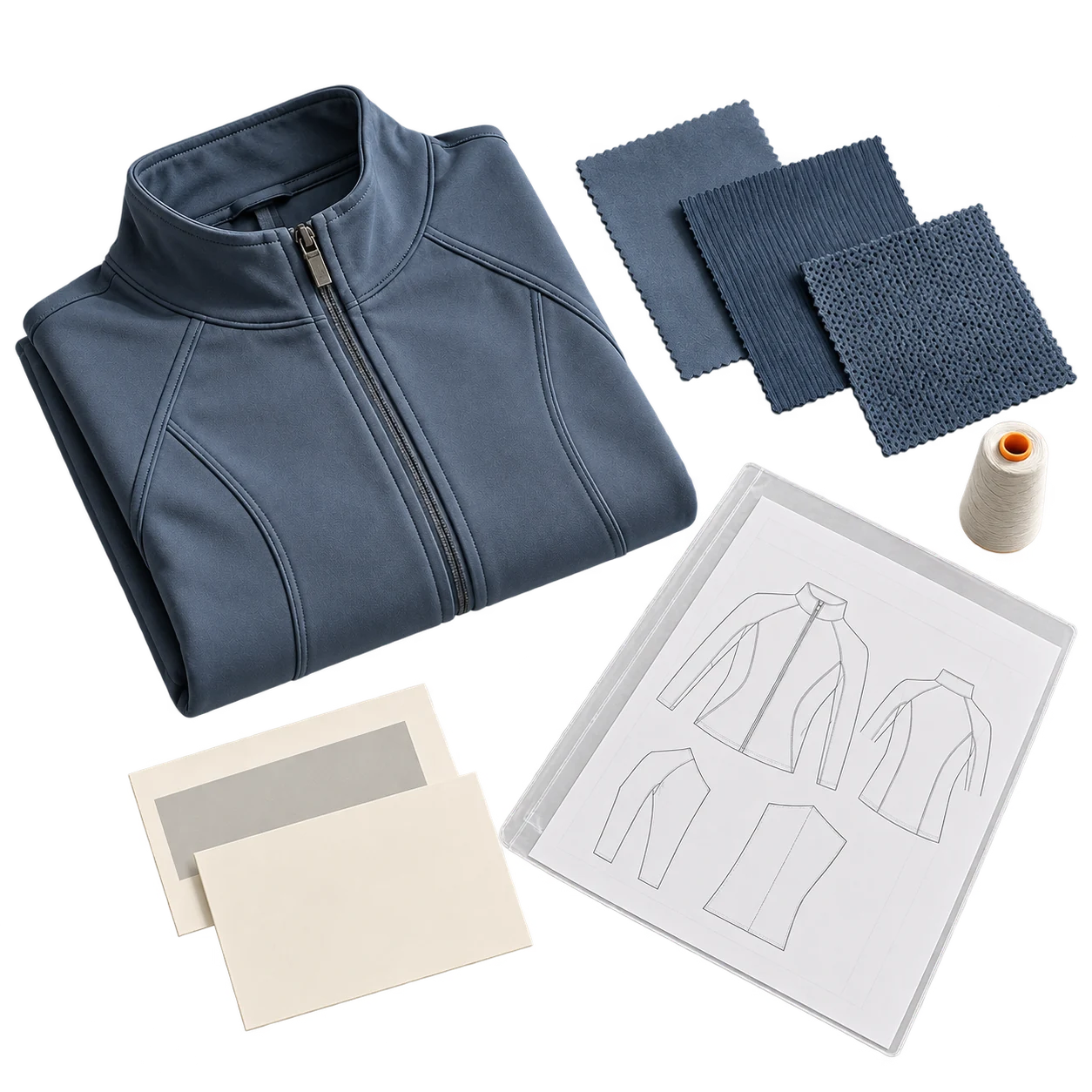
Keep the approved artwork revision, component specification and application or packing sample together. Identify the exact garment and material on which the detail was reviewed. A digital mockup communicates placement and intent, but it cannot establish every aspect of print color, texture, attachment or handling. Ask the supplier to flag changes that require another review. Where wording concerns product claims, labeling or destination-market obligations, obtain appropriate professional guidance rather than treating a generic template as a complete compliance solution.
TAKE THIS INTO YOUR NEXT DISCUSSION
Your buyer checklist
- Identify evidence behind every technical or environmental statement.
- Check barcode, text size and tag attachment physically.
- Remove obsolete artwork before the printing run.
Turn the decision into your brief.
Choose the pieces you are considering and record your fabric, color, size and development priorities.
Build your project brief ↗Explore the style library ↗