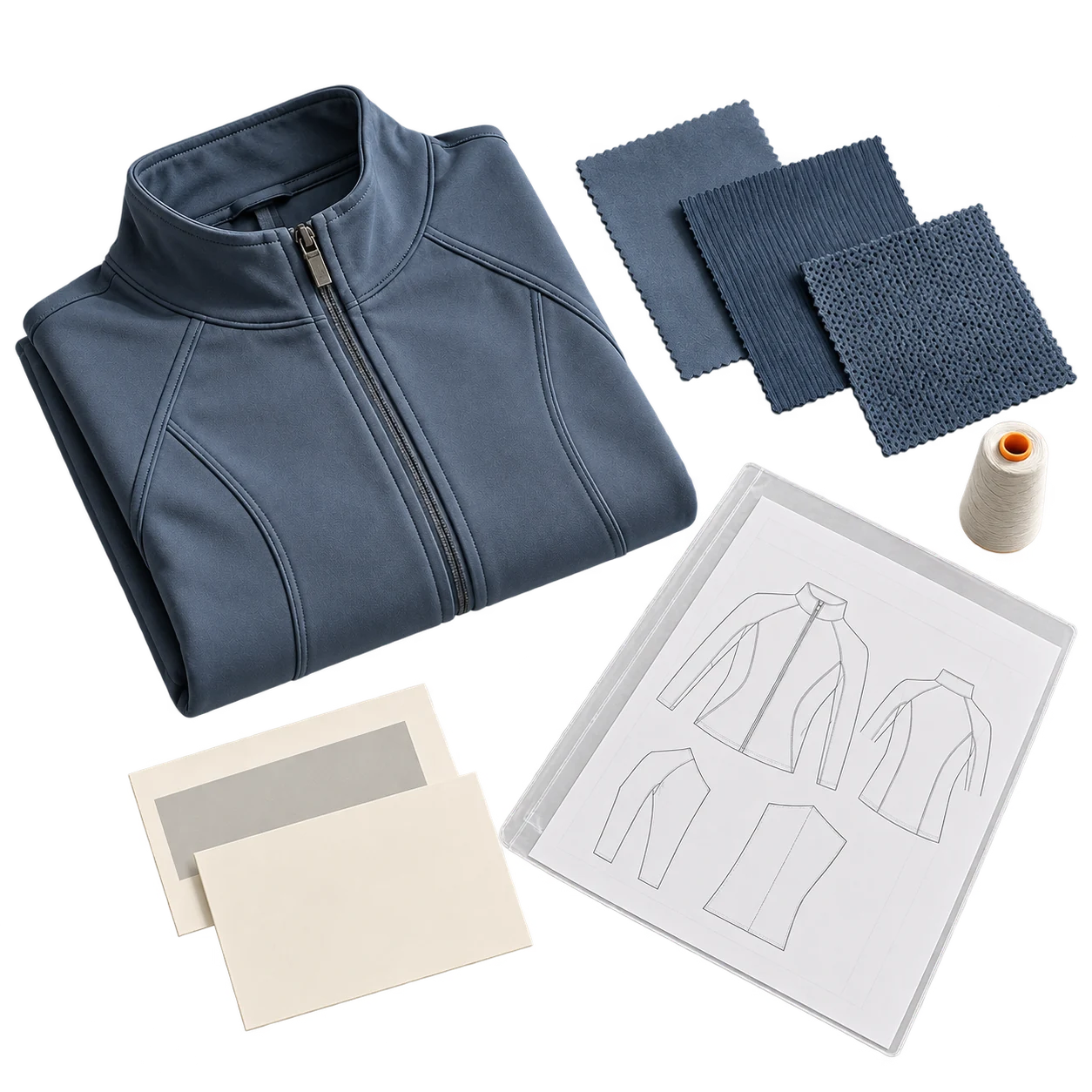
Start with the product requirement
Start with an overall garment view and mark the affected area. Add a closer image with a scale or clear reference point when needed. Avoid filters or edits that change the appearance of the material.
Compare the relevant alternatives
Record the style, size, color, sample or lot reference and inspection stage. Note whether the issue appears once or repeatedly in the reviewed items. Do not extrapolate a small observation into an unsupported defect rate.
Write a clear specification
Link each image to a concise description and the agreed requirement. Distinguish a confirmed deviation from a question that needs investigation. State whether the requested action is explanation, correction or reinspection.
Review the physical result
Ask the supplier to respond to each numbered issue. Review proposed corrective actions for their effect on fit, appearance and timing. A photograph of a repaired item should be assessed against the original concern.
Record the decision
Close the issue with a clear outcome and retained evidence. Keep recurring problems in the next production review so the same correction does not have to be rediscovered on every order.
Separate a proposal from an approval
Keep development recommendations, confirmed specifications and production authorization distinct. Record the current document version, responsible contact and unresolved questions in writing. A supplier’s preliminary answer may depend on materials, quantity or timing that has not been settled. Ask for those conditions explicitly before planning around the answer. Use approved samples and agreed requirements to guide checks rather than broad descriptions of quality. When a change is proposed, assess its technical and commercial effects before allowing it to become the new production reference.
TAKE THIS INTO YOUR NEXT DISCUSSION
Your buyer checklist
- Show the whole garment before the defect close-up.
- Include the style, size, color and sample or lot reference.
- Request a response to each numbered issue.
Turn the decision into your brief.
Choose the pieces you are considering and record your fabric, color, size and development priorities.
Build your project brief ↗Explore the style library ↗