Start with the product requirement
List the attributes that identify a sellable unit, such as style, color and size. Separate internal development references from retail SKUs. Avoid reusing a code for two products that your warehouse must distinguish.
Compare the relevant alternatives
Define who creates barcodes and who verifies them. If an external numbering system is used, follow its requirements through the appropriate provider. Do not assume a supplier-generated graphic establishes a valid commercial identifier.
Write a clear specification
Prepare a controlled SKU matrix for the order. Link each code to its printed description and packing location. Keep human-readable information alongside the barcode so errors can be identified without scanning equipment.
Review the physical result
Review printed samples at the intended size and on the proposed material. Test them within your actual receiving or sales workflow. Check that the data resolves to the correct product, not merely that a scanner recognizes a pattern.
Record the decision
Freeze the approved matrix before label production. Record any later changes and make sure obsolete labels cannot be mixed into the current order.
Connect artwork to a physical reference
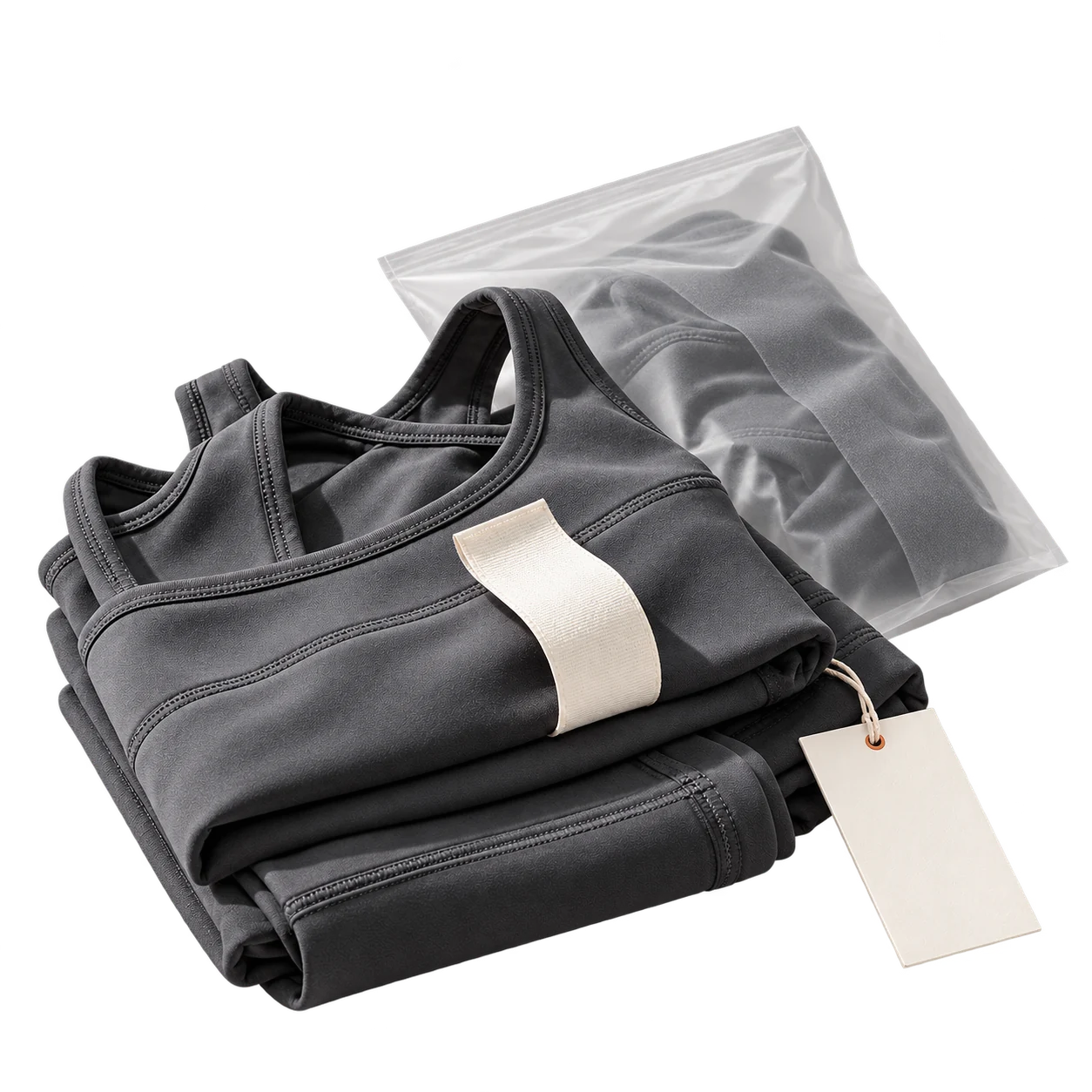
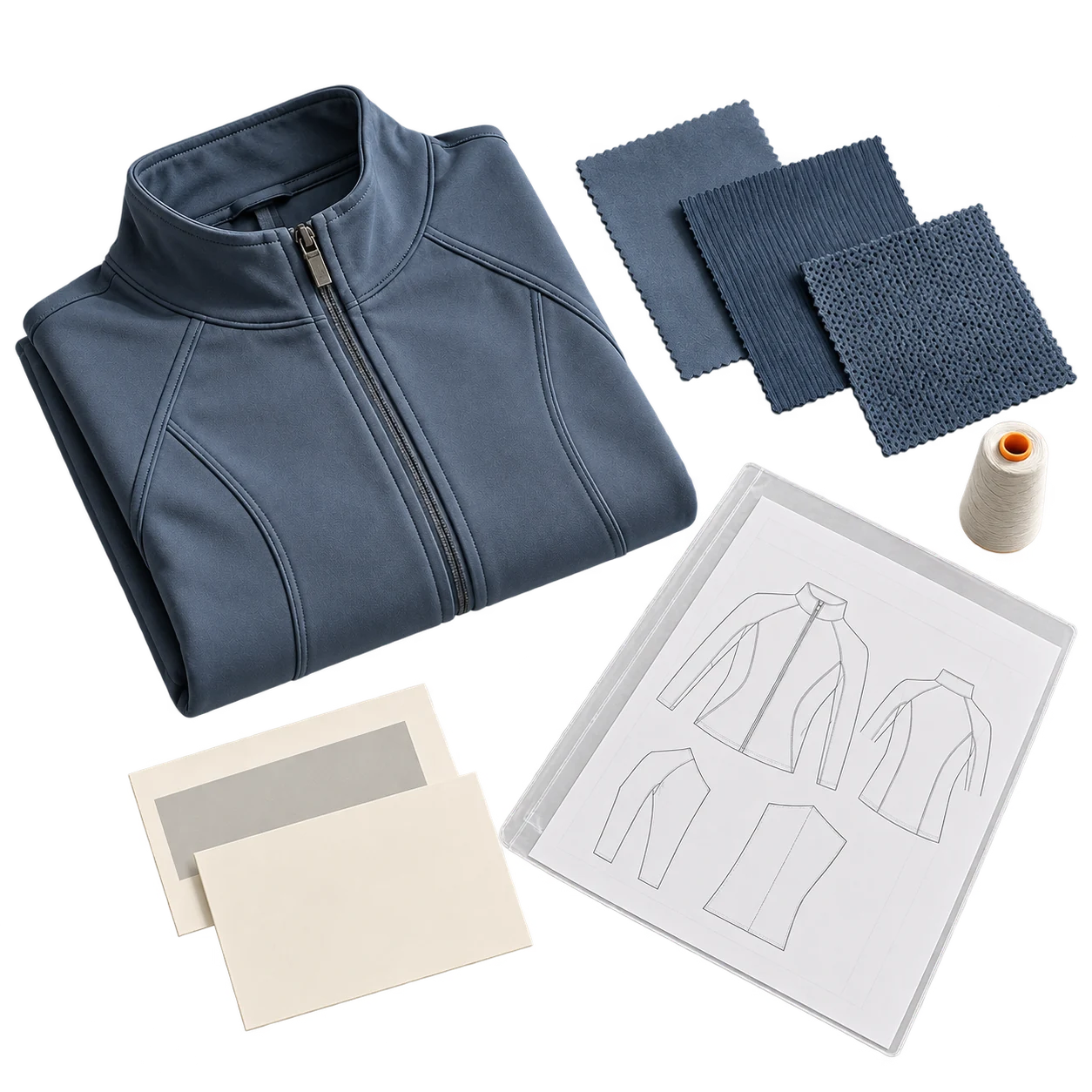
Keep the approved artwork revision, component specification and application or packing sample together. Identify the exact garment and material on which the detail was reviewed. A digital mockup communicates placement and intent, but it cannot establish every aspect of print color, texture, attachment or handling. Ask the supplier to flag changes that require another review. Where wording concerns product claims, labeling or destination-market obligations, obtain appropriate professional guidance rather than treating a generic template as a complete compliance solution.
TAKE THIS INTO YOUR NEXT DISCUSSION
Your buyer checklist
- Assign one SKU to each distinct sellable combination.
- Verify printed barcodes in your actual inventory workflow.
- Freeze the label matrix before production.
Turn the decision into your brief.
Choose the pieces you are considering and record your fabric, color, size and development priorities.
Build your project brief ↗Explore the style library ↗