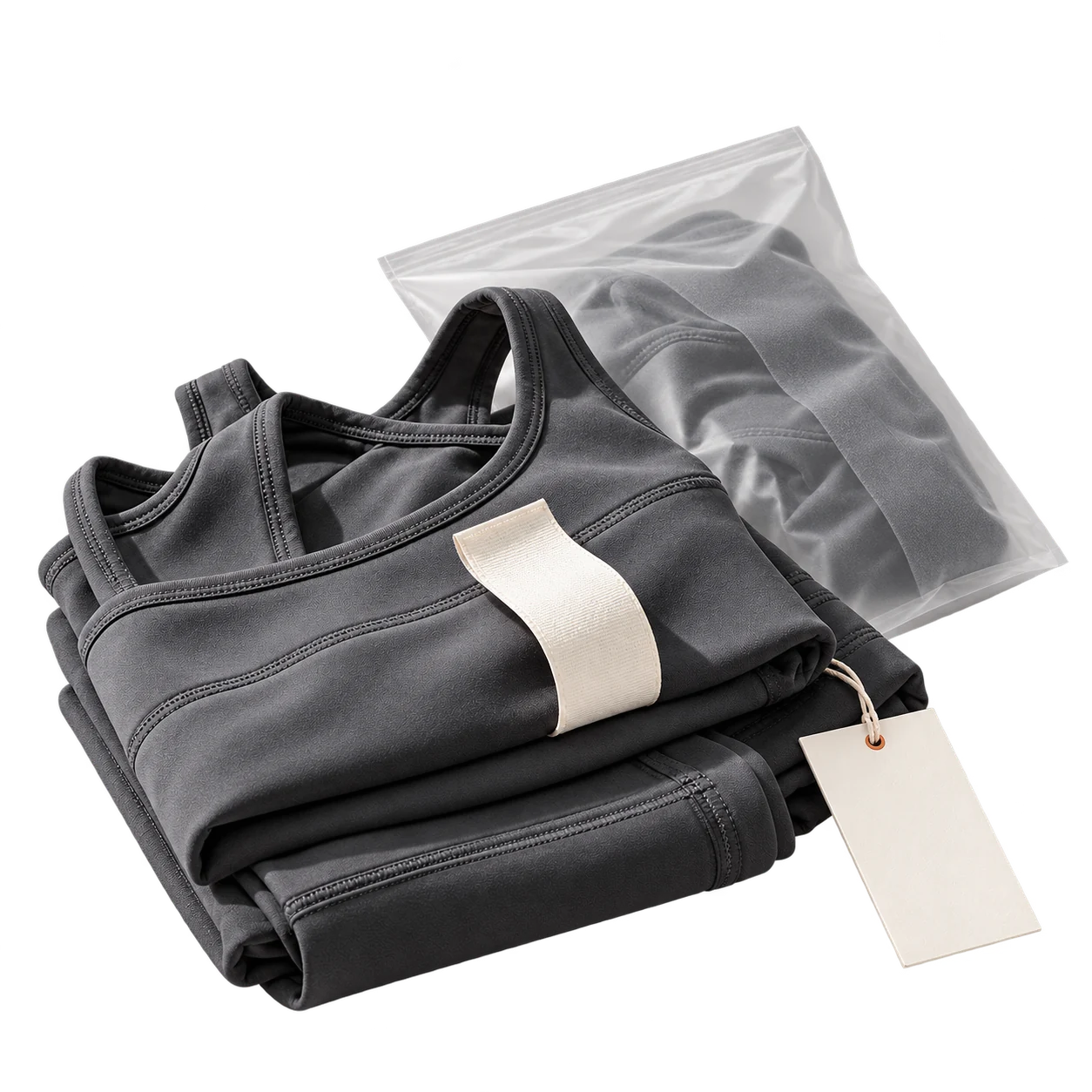
Start with the product requirement
Identify the specific component and attribute being described. A claim about an individual bag should not automatically cover the carton or complete order. Avoid vague language that suggests a broader benefit than the evidence demonstrates.
Compare the relevant alternatives
Ask for relevant material documentation and clarify its scope. Distinguish supplier statements from independently verified evidence. If certification language is proposed, confirm the applicable rules and your right to use any mark.
Write a clear specification
Keep the approved wording, artwork and supporting records together. Include the destination markets and any necessary professional review. Do not copy claims from another brand’s packaging as a shortcut.
Review the physical result
Check printed samples for exact wording and correct placement. Review whether instructions are understandable for the customer and appropriate to the market. Make sure a design change has not removed qualifying information.
Record the decision
Revisit claims when the material, supplier or market changes. A past approval should not be treated as permanent permission to print the same statement on a different packaging specification.
Connect artwork to a physical reference
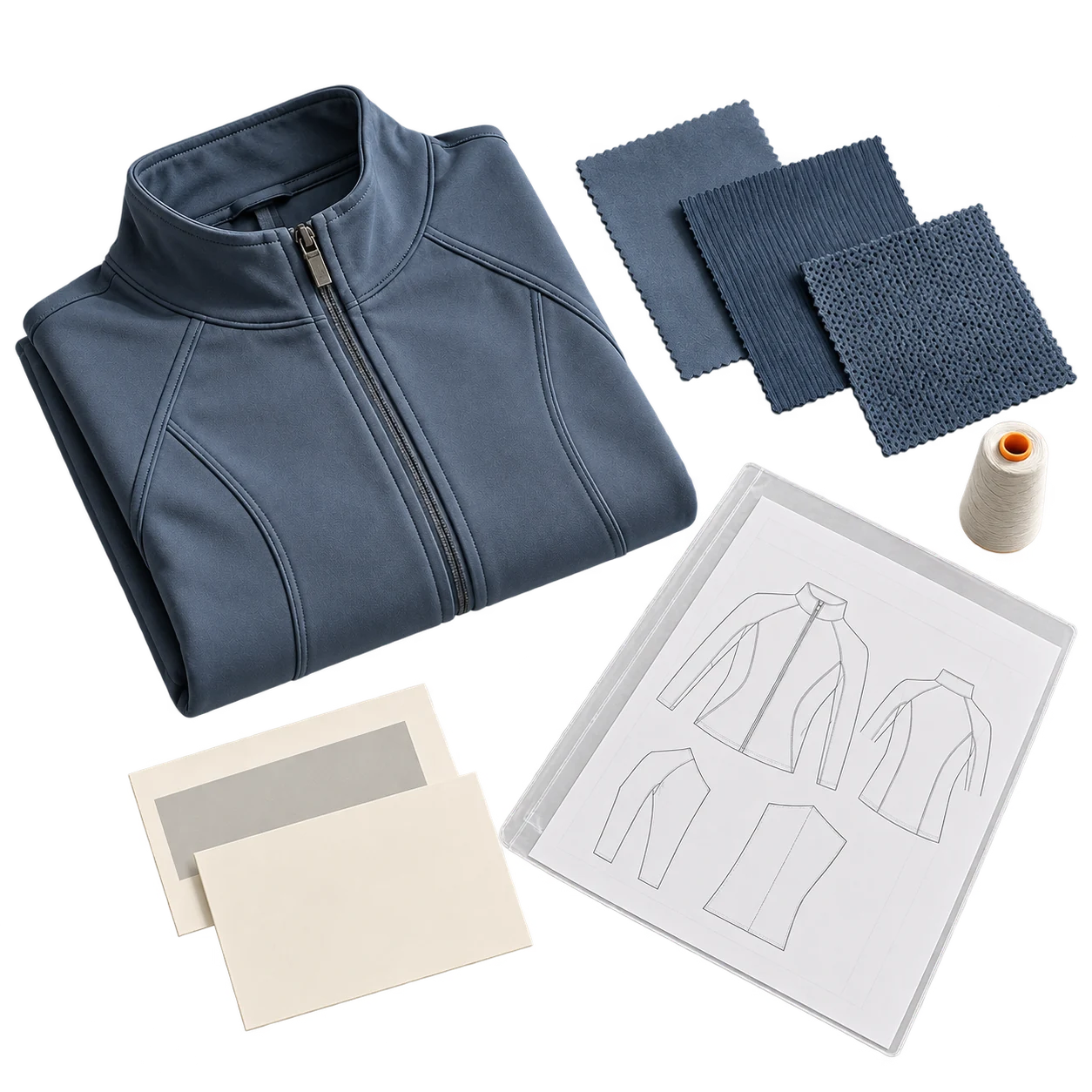
Keep the approved artwork revision, component specification and application or packing sample together. Identify the exact garment and material on which the detail was reviewed. A digital mockup communicates placement and intent, but it cannot establish every aspect of print color, texture, attachment or handling. Ask the supplier to flag changes that require another review. Where wording concerns product claims, labeling or destination-market obligations, obtain appropriate professional guidance rather than treating a generic template as a complete compliance solution.
TAKE THIS INTO YOUR NEXT DISCUSSION
Your buyer checklist
- Name the packaging component covered by each claim.
- Retain supporting material records and approved wording.
- Review claims when the supplier or market changes.
Turn the decision into your brief.
Choose the pieces you are considering and record your fabric, color, size and development priorities.
Build your project brief ↗Explore the style library ↗