Start with the product requirement
Identify high-impact areas such as seam junctions, strap attachments, openings and visible topstitching. Explain the intended appearance and function. Consider how stretch and movement affect the construction.
Compare the relevant alternatives
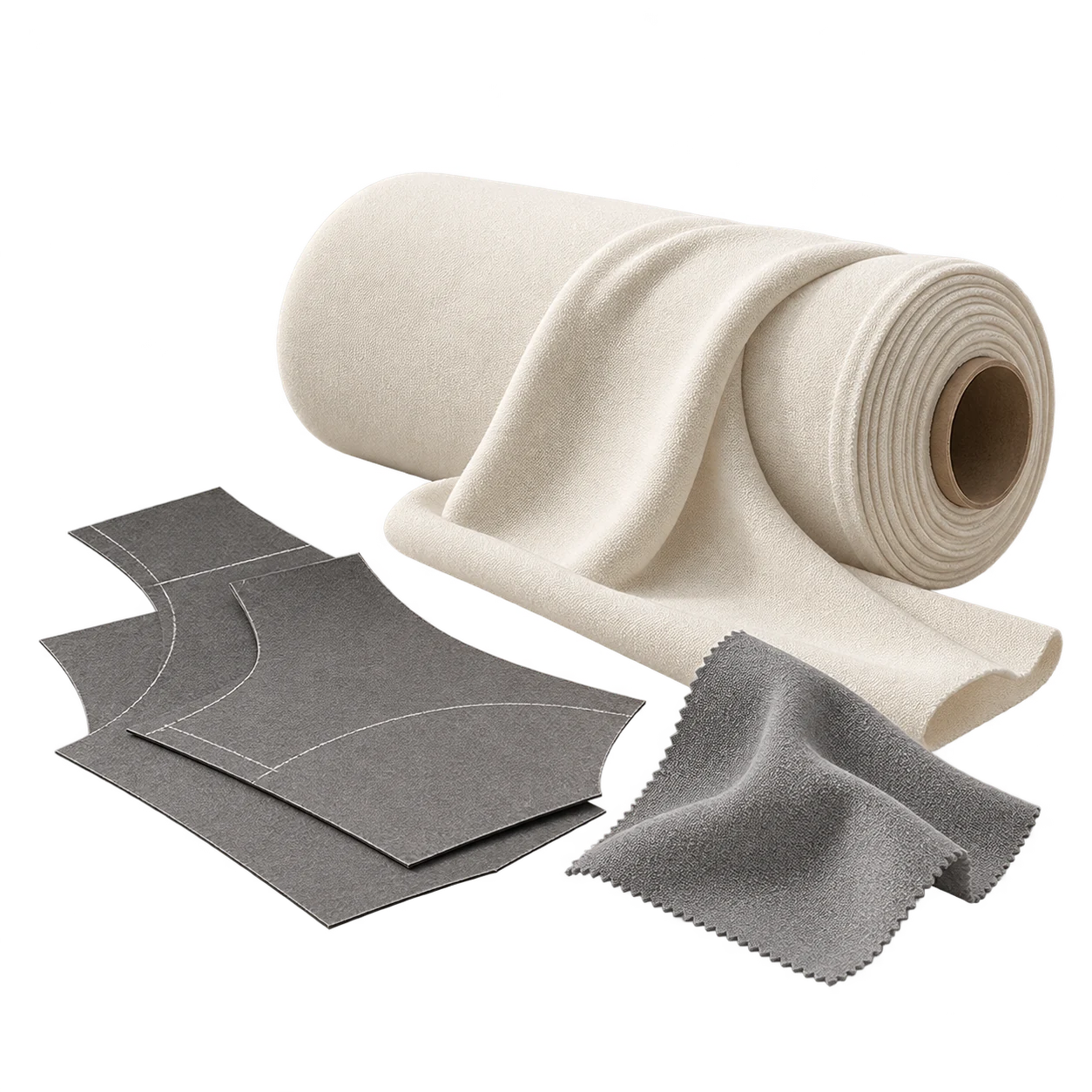
Compare acceptable and unacceptable examples where possible. Photographs should include enough context to show the location and scale of an issue. Avoid relying on vague comments that different inspectors may interpret differently.
Write a clear specification
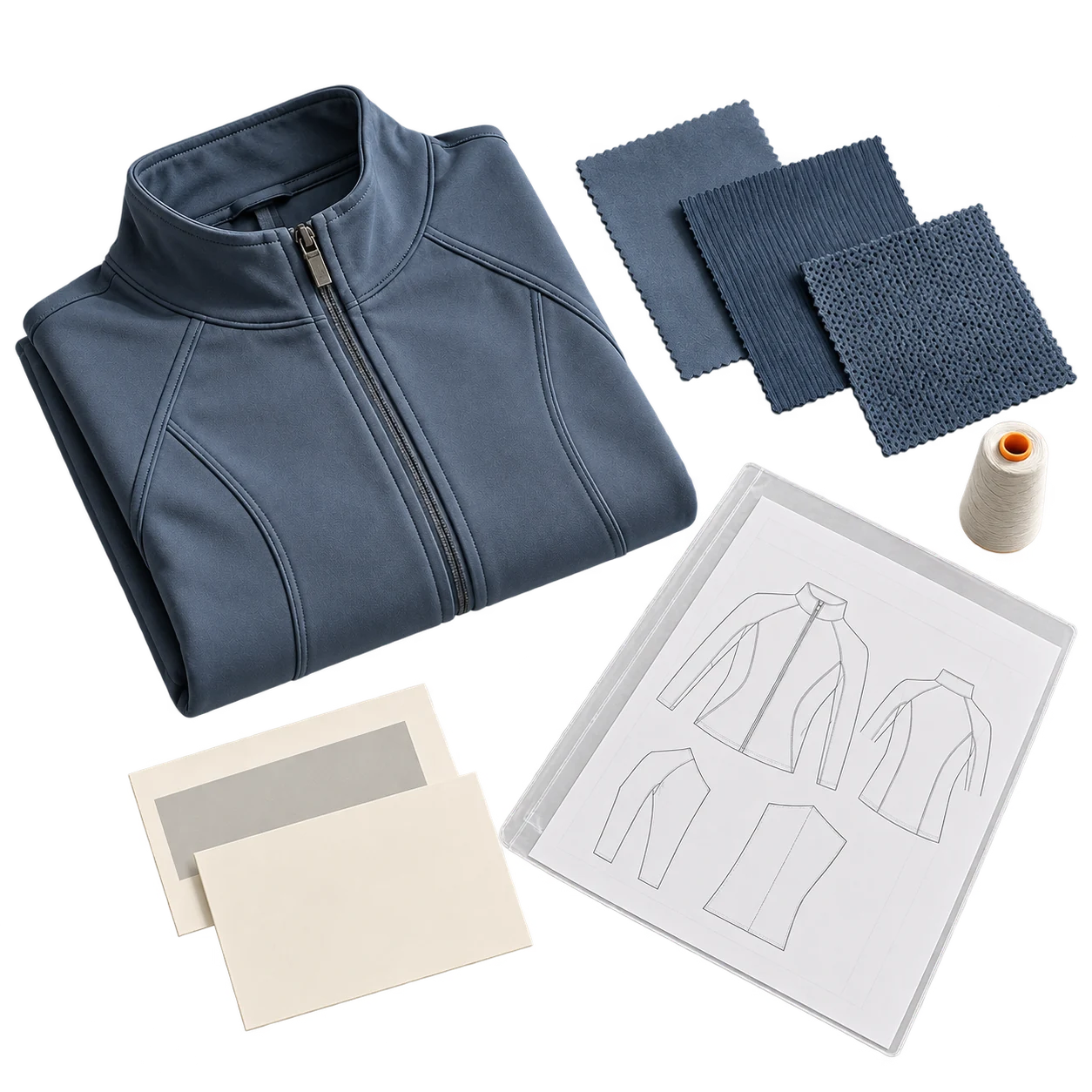
Record seam types, stitch appearance, thread requirements and relevant construction details in the technical pack. Ask the manufacturer to flag specifications that conflict with the material or equipment being proposed.
Review the physical result
Review the sample inside and outside, at rest and under appropriate extension. Check comfort as well as appearance. If a seam or attachment has a performance requirement, agree how it will be assessed.
Record the decision
Retain an approved workmanship reference and connect it to inspection instructions. Update the reference when an agreed construction change is made so production is not judged against an obsolete example.
Separate a proposal from an approval
Keep development recommendations, confirmed specifications and production authorization distinct. Record the current document version, responsible contact and unresolved questions in writing. A supplier’s preliminary answer may depend on materials, quantity or timing that has not been settled. Ask for those conditions explicitly before planning around the answer. Use approved samples and agreed requirements to guide checks rather than broad descriptions of quality. When a change is proposed, assess its technical and commercial effects before allowing it to become the new production reference.
TAKE THIS INTO YOUR NEXT DISCUSSION
Your buyer checklist
- Identify sensitive seams, openings and strap attachments.
- Use acceptable and unacceptable physical examples.
- Connect approved workmanship to inspection instructions.
Turn the decision into your brief.
Choose the pieces you are considering and record your fabric, color, size and development priorities.
Build your project brief ↗Explore the style library ↗