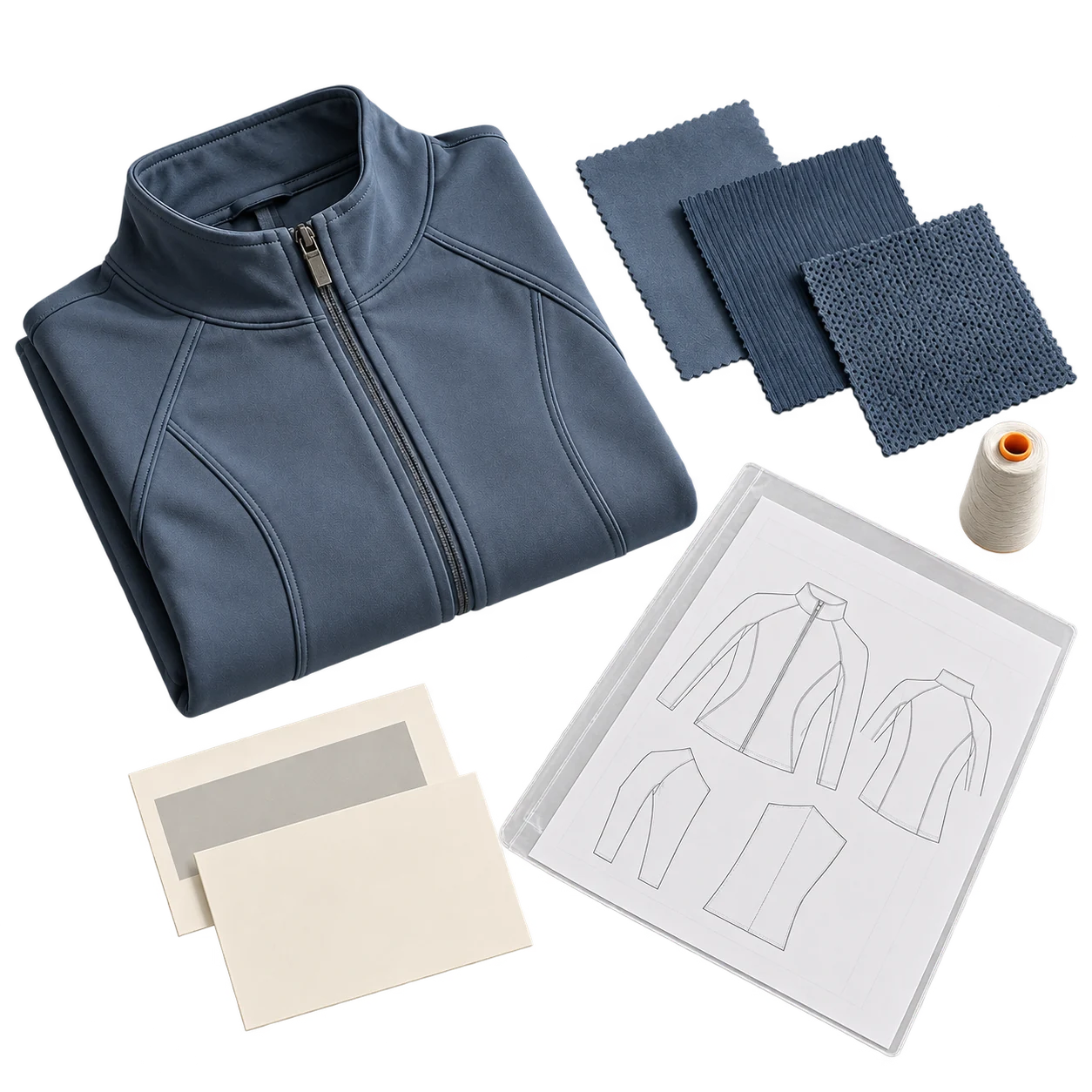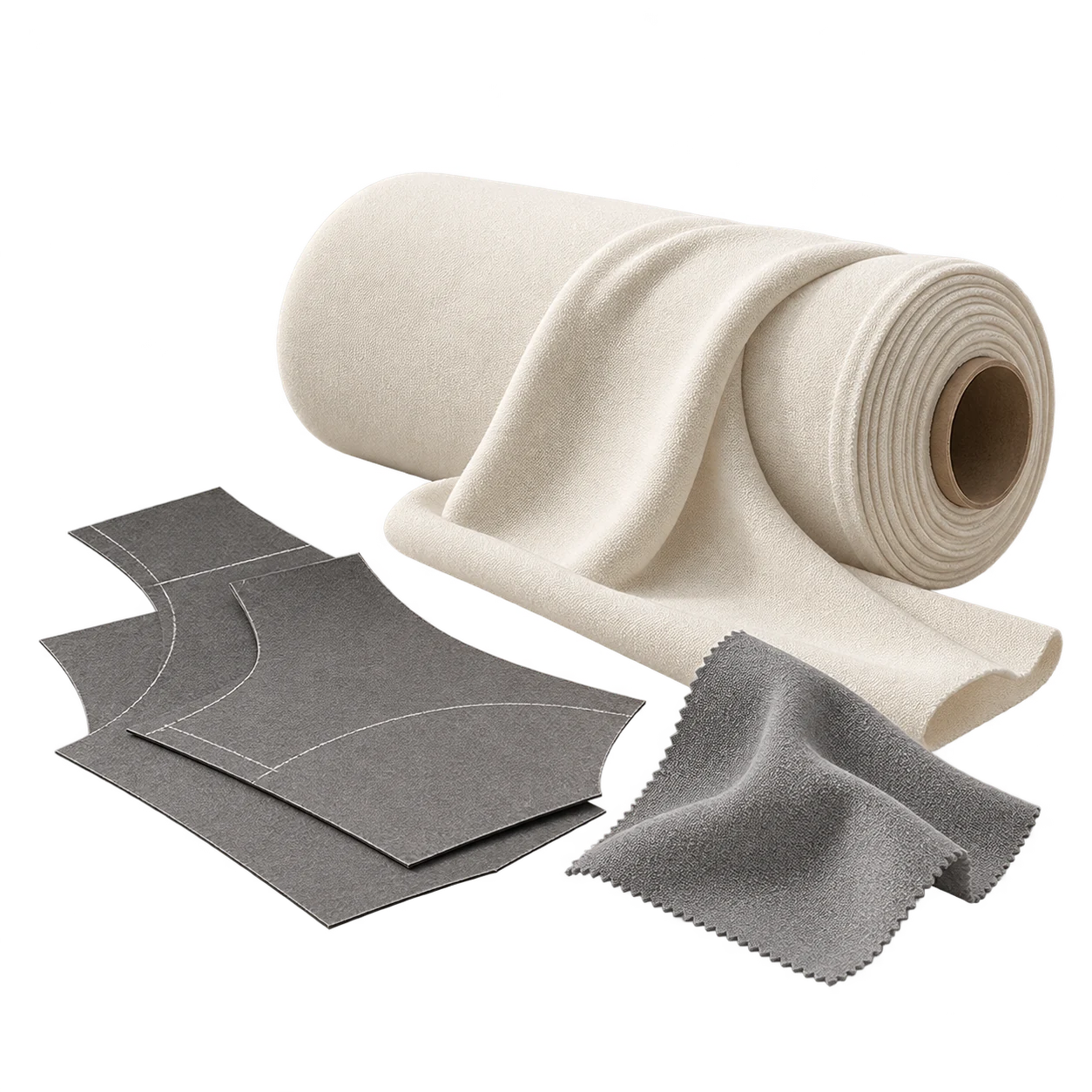
Start with the product requirement
Locate the latest technical pack, approved sample, material records and previous inspection findings. Confirm which versions were actually used. Resolve missing or contradictory records before asking the supplier to repeat the order.
Compare the relevant alternatives
Ask whether the same components and processes are available. Identify changes in fabric lots, trims, decoration or packing. Do not assume that a repeat quantity removes the need to review a meaningful substitution.
Write a clear specification
Issue a reorder specification that names retained requirements and agreed changes. Include current size and color assortments, labels and commercial terms. Keep the new order distinct from informal historical messages.
Review the physical result
Review an appropriate confirmation sample or production evidence based on the project’s risks. Compare it with the retained standard under consistent conditions. Investigate differences rather than relying only on memory.
Record the decision
Close the reorder with updated records and clear retained samples. Use confirmed findings to strengthen the next repeat, without treating one successful run as a permanent guarantee of future results.
Separate a proposal from an approval
Keep development recommendations, confirmed specifications and production authorization distinct. Record the current document version, responsible contact and unresolved questions in writing. A supplier’s preliminary answer may depend on materials, quantity or timing that has not been settled. Ask for those conditions explicitly before planning around the answer. Use approved samples and agreed requirements to guide checks rather than broad descriptions of quality. When a change is proposed, assess its technical and commercial effects before allowing it to become the new production reference.
TAKE THIS INTO YOUR NEXT DISCUSSION
Your buyer checklist
- Retrieve the actual specification used for the previous run.
- Check component availability before confirming the reorder.
- Review new samples against retained physical references.
Turn the decision into your brief.
Choose the pieces you are considering and record your fabric, color, size and development priorities.
Build your project brief ↗Explore the style library ↗