Start with the product requirement
Identify the intended underlayers and activity without making universal opacity promises. Review a representative size range and the actual fit. Excess tension can expose concerns that a relaxed fabric swatch does not show.
Compare the relevant alternatives
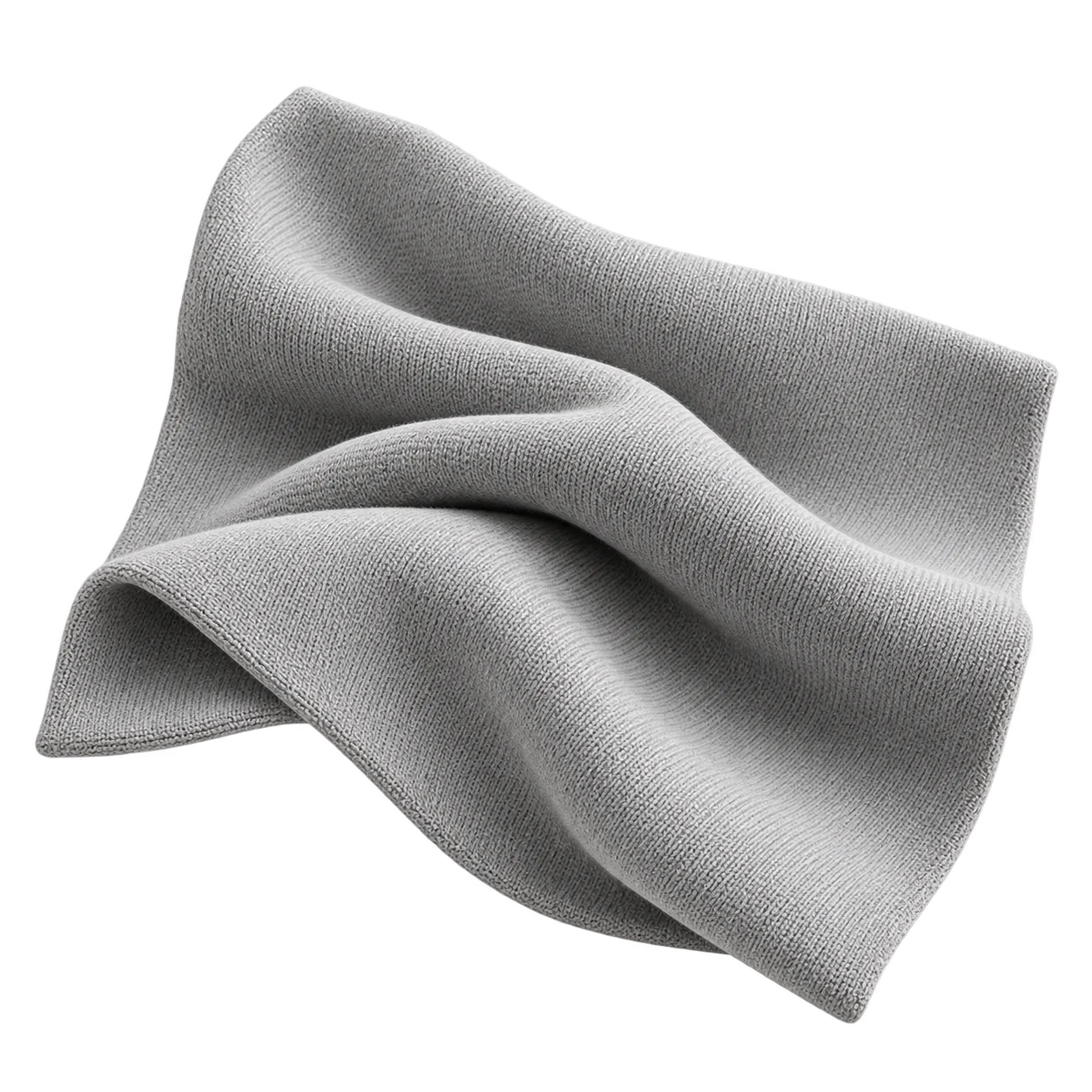
Compare light colors under more than one normal lighting condition. Check face and reverse surfaces, seam allowances and trim show-through. Photograph comparisons consistently, but use physical samples for final shade decisions.
Write a clear specification
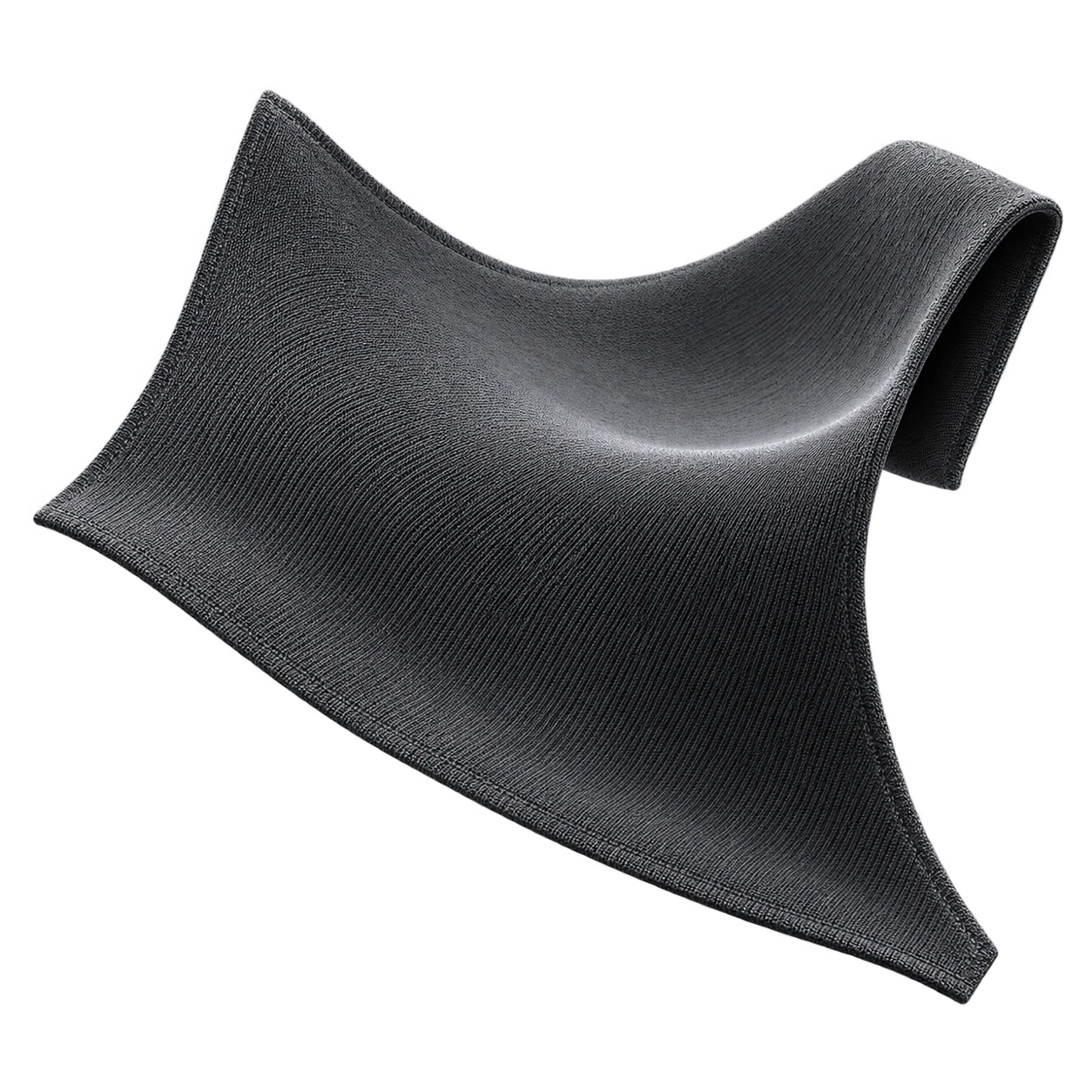
Specify the approved fabric, shade reference, lining arrangement and seam construction. State which parts need a matching lining or a deliberate contrast. Keep those decisions visible in the bill of materials.
Review the physical result
Assess bending and stretching with the intended construction and appropriate wearer consent. Review the garment after agreed care. If coverage is insufficient, discuss fabric, lining, fit or design changes rather than simply increasing the color saturation.
Record the decision
Approve each pale shade separately where material or dyeing differences warrant it. Record remaining questions and the sample version so production does not inherit an assumption from a darker colorway.
Keep the decision connected to the garment
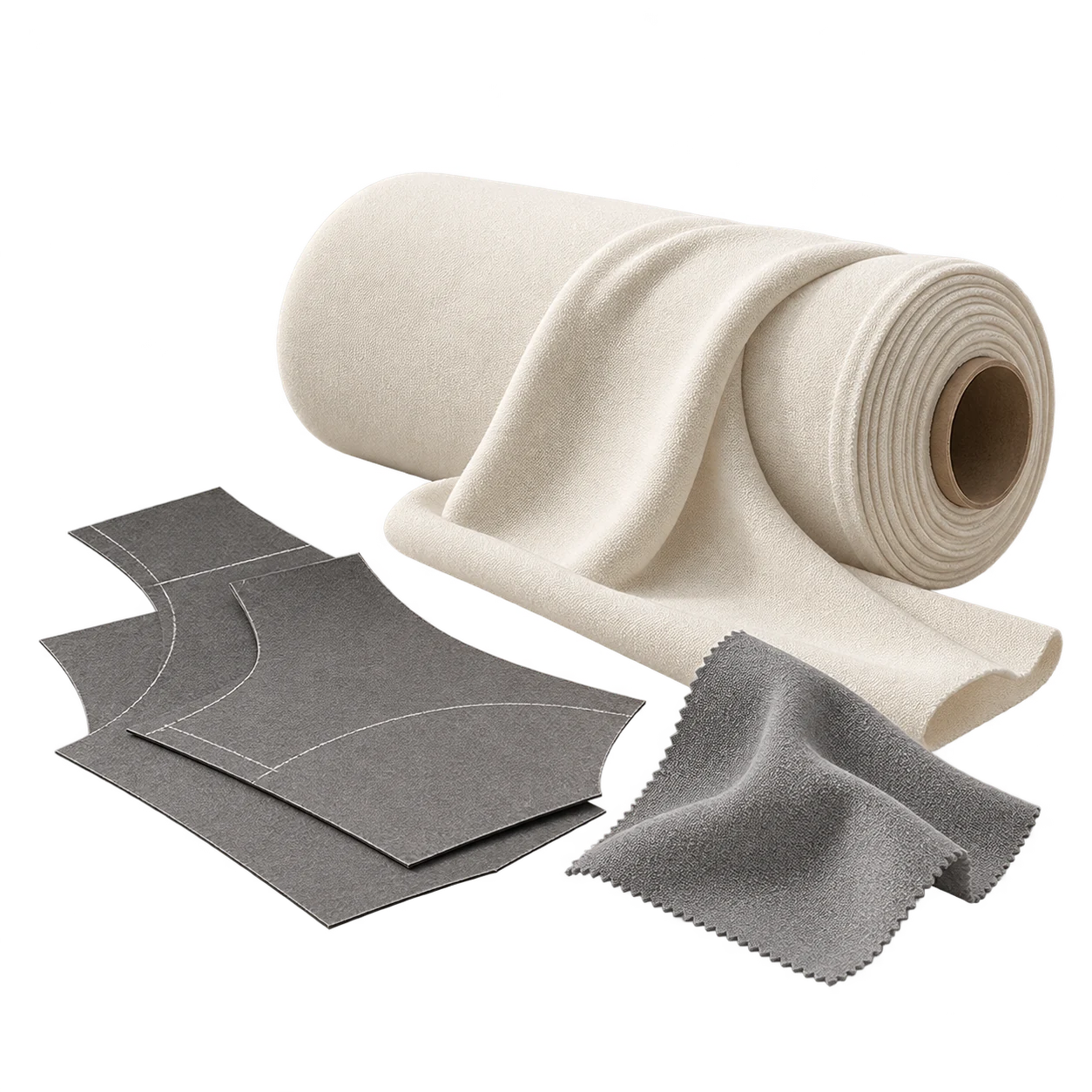
Material approval works best when the swatch record, technical pack and sample comments refer to the same fabric. Keep composition, finish and shade references together. If the material changes later, ask which previous decisions need to be reviewed again. A supplier’s recommendation is a useful starting point, but the order specification should identify the material actually approved. Discuss any important testing with the manufacturer or an appropriate laboratory, including the method and acceptance criteria. Avoid inferring a technical performance claim from touch, appearance or a fiber percentage alone.
TAKE THIS INTO YOUR NEXT DISCUSSION
Your buyer checklist
- Sample the actual pale shade planned for sale.
- Review seam allowance and lining show-through during movement.
- Approve coverage changes before confirming the colorway.
Turn the decision into your brief.
Choose the pieces you are considering and record your fabric, color, size and development priorities.
Build your project brief ↗Explore the style library ↗